
Have you ever wondered why crystals have continued to fascinate humanity for millennia?
The answer lies in their incredible variety and the unique properties that each type possesses. In this comprehensive guide, we'll explore the extraordinary world of crystal types, from the most rigorous scientific classifications to the varieties most beloved by collectors.
As you well know, not all crystals are equal. Each variety conceals geological secrets, distinctive physical properties, and characteristics that make them unique in the mineral landscape. From natural formation in the Earth's depths to crystallization processes in laboratories, you'll discover everything there is to know about these fascinating treasures of nature.

Scientific Classification of Crystal Types
The classification of crystals represents one of the foundations of modern crystallography.
Crystal types can be cataloged according to three main approaches: crystal structure, formation process, and specific mineralogical varieties.
The Seven Fundamental Crystal Systems
Classification based on crystal systems is founded on symmetry and the internal structure of the crystal.
The seven crystal systems constitute the basis of scientific crystallography:
1) Cubic system (or isometric): represents one of the most common and symmetrical forms. Cubic crystals present three perpendicular crystallographic axes with equal parameters (a = b = c). The maximum degree of symmetry includes 3A4 – 4A3 – 6A2 – 9P – C. Significant examples include halite (NaCl), fluorite (CaF2), and pyrite (FeS2).
2) Tetragonal system: possesses a symmetry axis of order 4. The distinctive characteristic involves three perpendicular crystallographic axes, but with equal parameters only on two axes (a = b ≠ c). In this system crystallize minerals like cassiterite (SnO2) and chalcopyrite (FeCuS2).
3) Orthorhombic system: presents three perpendicular symmetry axes of different orders. The crystallographic constants show α = β = γ = 90° with a ≠ b ≠ c. In the orthorhombic system we find olivine [(Mg,Fe)2SiO4] and topaz (Al2F2SiO4).
4) Monoclinic system: has a single binary axis and other complex symmetry elements. The angle β formed by x and z is >90°, while α = γ = 90°. The main minerals include orthoclase (KAlSi3O8) and gypsum (CaSO4·2H2O).
5) Triclinic system: the least symmetrical system, with all three symmetry axes different and not perpendicular. The crystallographic constants show α ≠ β ≠ γ ≠ 90°. The most representative mineral is albite (NaAlSi3O8).
6) Hexagonal system: characterized by a symmetry axis of order 6. It possesses 4 crystallographic axes, with x, y and z on a horizontal plane at 120° and w perpendicular. In this system crystallize quartz-β (SiO2), apatite [Ca3(PO4)2], and graphite (C).
7) Trigonal system: similar to hexagonal, with a symmetry axis of order 3. The main forms include the scalenohedron (12 triangular faces) and the rhombohedron (6 rhombic faces). The most important minerals are calcite (CaCO3), hematite (Fe2O3), and corundum (Al2O3).
The 32 Symmetry Classes
Crystallography recognizes 32 symmetry classes based on the combination of symmetry elements.
These classes group into the seven crystal systems and comprise crystals with the same degree of symmetry. The cubic system includes 5 classes, hexagonal 5 classes, trigonal 7 classes, tetragonal 7 classes, orthorhombic 3 classes, monoclinic 3 classes, and triclinic 2 classes.
Each class presents a characteristic simple form that can vary from a minimum of 1 face (triclinic system) to a maximum of 48 faces (cubic system).
Types of Crystals by Formation Process
Classification based on formation process divides crystals into three fundamental categories.
Natural Crystals
Natural crystals form and evolve in nature without any human intervention.
These crystals originate when molten rock (magma) cools or when they separate from mineral salt-rich water, like that present in underground caves. The natural formation process requires thousands or millions of years, during which geological forces work to create perfect crystalline structures.
Natural crystals are considered more powerful for their energetic properties, since they have interacted with the Earth for millennia. Their commercial value is generally superior compared to artificial alternatives, precisely because of this authentic geological origin.
Mineral particles are typically small, having formed within restricted areas like lava flows or between sediment grains. Large crystals found in geodes represent relatively rare phenomena in nature.
Synthetic Crystals
Synthetic crystals are totally created in laboratories following controlled scientific processes.
These crystals replicate the molecular structure and properties of natural minerals, but are produced in much shorter times through advanced crystallization techniques. Laboratory processes allow precise control of temperature, pressure, and chemical composition.
Synthetic crystals offer a more economical alternative and are often used in jewelry and design objects. Despite their high quality, many experts believe they don't possess the same metaphysical properties as natural crystals.
Artificial Crystals
Artificial crystals are obtained by working natural materials and transforming them into something new or slightly different.
This category represents a bridge between the completely natural and completely synthetic. Often thermal treatments or chemical processes are used to modify the properties of existing crystals.
Most Common Crystal Varieties and Their Properties
The diversity of crystal types manifests through varieties that fascinate with colors, forms, and unique properties.
The Quartz Family
Quartz represents one of the most widespread crystals in the world and includes numerous varieties characterized by distinctive properties.
Clear quartz (rock crystal): possesses a clear and pure vibration and is known for its ability to amplify the energy of other crystals. Clear quartz is often used for energetic purification and energy enhancement. Its transparent crystal structure makes it an excellent tool for intensifying the effects of other stones.
Amethyst: famous for its splendid violet color and calming properties. Amethyst is associated with calm, serenity, and spirituality. Due to its violet color, it's connected to the sixth Ajna chakra (third eye), stimulating intuition and spiritual awareness. It's used as support in meditation and relaxation practices.
Citrine quartz: presents a warm golden yellow tone and is associated with abundance and positive energy. Known as the "success stone," citrine is useful for harmonizing the third Manipura chakra (solar plexus). It helps dissipate negative energy and stimulates creativity and self-confidence.
Rose quartz: characterized by pale pink color, is associated with love, empathy, and opening of the heart. Rose quartz is used to promote unconditional love and self-esteem. In meditation practices, it can help soothe negative emotions and foster compassion and harmony in relationships.
Other Fundamental Crystals
Selenite: a transparent white crystal with a delicate and elevated vibration. Also called "Moon stone," selenite is associated with energetic purification and connection with higher dimensions. It's used to clean and restore the energy of other crystals and environments. It's particularly useful for fostering mental clarity and spiritual communication.
Black tourmaline: known for its ability to absorb negative energies and protect from harmful influences. Black tourmaline serves as a protective stone and is particularly appreciated in crystal therapy for its energetic shielding properties.
Aquamarine: a copper and aluminum mineral that presents a brilliant blue color. Aquamarine is associated with mental clarity and communication, favoring clear expression of thoughts and emotions.
Agate: belongs to the quartz family and exists in numerous varieties of different colors, from brown to blue, from milk white to pink. Agate is considered the stone of "Strength" and Vital Energy. Pink agate enhances good mood and joy of living, improving memory and concentration abilities.
Physical Properties and Crystal Identification
The physical properties of crystals represent the main tools for their scientific identification.
Fundamental Structural Characteristics
Crystal structure constitutes the basis of all distinctive physical properties.
Crystals are formed by ordered and symmetrical molecules that create a repetitive three-dimensional structure. This organization gives crystals their special properties like hardness, transparency, and color. The molecular structure determines whether a crystal is transparent, opaque, or translucent.
Main Identifying Properties
Luster: geologists distinguish between metallic luster and non-metallic. A metallic mineral reflects light characteristically. Other indicators include vitreous and pearlaceous luster.
Transparency: measures how well light passes through a mineral stone. There are three degrees: transparent, translucent, and opaque.
Hardness: the Mohs hardness scale represents the standard used by geologists. Diamond rates 10 at the highest end of the scale, while talc occupies number 1 as the softest.
Density: represents the specific weight of the stone. Minerals like graphite are located at the lower end of the scale, while platinum and native gold are the heaviest.
Cleavage and fracture: some minerals break easily along smooth lines. Others, like quartz and malachite, "fracture" breaking with chipped or curved edges.
Color: represents the least reliable characteristic for identification, since impurities can modify color without altering basic properties.
Advanced Physical Properties
Conductivity: some crystals, like quartz, conduct electricity, making them useful for electronic applications.
Polarization: crystals can be polarized, splitting into two parts with opposite electrical charges. This property finds application in optical instruments like polarized lenses.
The ability to generate electromagnetic fields makes certain crystals particularly interesting for advanced technological applications.

Crystals in Crystal Therapy and Modern Applications
The world of crystals extends well beyond mineralogy, embracing applications in psycho-physical wellbeing and crystal therapy.
Metaphysical and Energetic Properties
Crystals are endowed with metaphysical properties that make them objects of great interest for holistic discipline practitioners.
The ability to emit energetic vibrations represents one of the most fascinating aspects attributed to crystals. Many ancient cultures used these minerals to improve health and psycho-physical wellbeing. Meditation with crystals can help calm the mind and reduce stress. Energy therapy with crystals is used to promote physical healing and improve the immune system.
Contemporary Practical Applications
Creating crystal grids involves arranging specific crystals in geometric patterns to promote specific purposes. This practice combines sacred geometry and the energetic properties of minerals.
Crystals are placed on chakras or worn as jewelry to favor energetic balance. Celebrities and influencers have contributed to spreading the use of crystal jewelry in mainstream culture. Use for manifestation of desires and creating positive energetic spaces represents a growing trend in the home wellness field.
Natural vs. Synthetic Crystals: How to Choose
Choosing between natural crystals and synthetic crystals requires a thorough understanding of substantial differences.
Value and Authenticity
Natural crystals are considered more powerful for their energetic properties, having interacted with the Earth for millions of years. Their commercial value and properties can vary significantly compared to artificial alternatives.
Synthetic crystals offer a more economical alternative and are often used in jewelry and design objects. However, many experts maintain they don't possess the same metaphysical properties as natural crystals.
Selection Criteria
To choose the right crystals, it's important to know the specific properties of each variety and evaluate individual needs.
Personal connection with the crystal represents an important factor in selection. It's advisable to follow one's intuition in addition to documented technical characteristics.
Purchasing from reliable sellers guarantees the authenticity and quality of natural crystals. It's important to verify provenance and certifications when possible.
Crystal Care and Maintenance
Crystal maintenance requires specific attention to preserve their properties and beauty.
Cleaning and Recharging
Regular cleaning with water and neutral soap represents the safest method for most crystals. However, some minerals like selenite are water-soluble and require alternative methods.
Energetic recharging can occur through exposure to sunlight or moonlight. Placing crystals on an amethyst or quartz can help in the recharging process.
Proper Storage
Storage of crystals should occur in environments protected from impacts and excessive thermal variations. Containers in natural fabric or wood preserve energetic integrity.
Separating crystals with different hardnesses prevents scratches and damage. Softer crystals like talc should be stored separately from harder varieties like quartz.
The Sustainable Future: Crystals and Eco-Friendly Design
While natural crystals continue to fascinate for their unique properties, the world of sustainable design also offers interesting alternatives.
Innovation in Recycled Glass
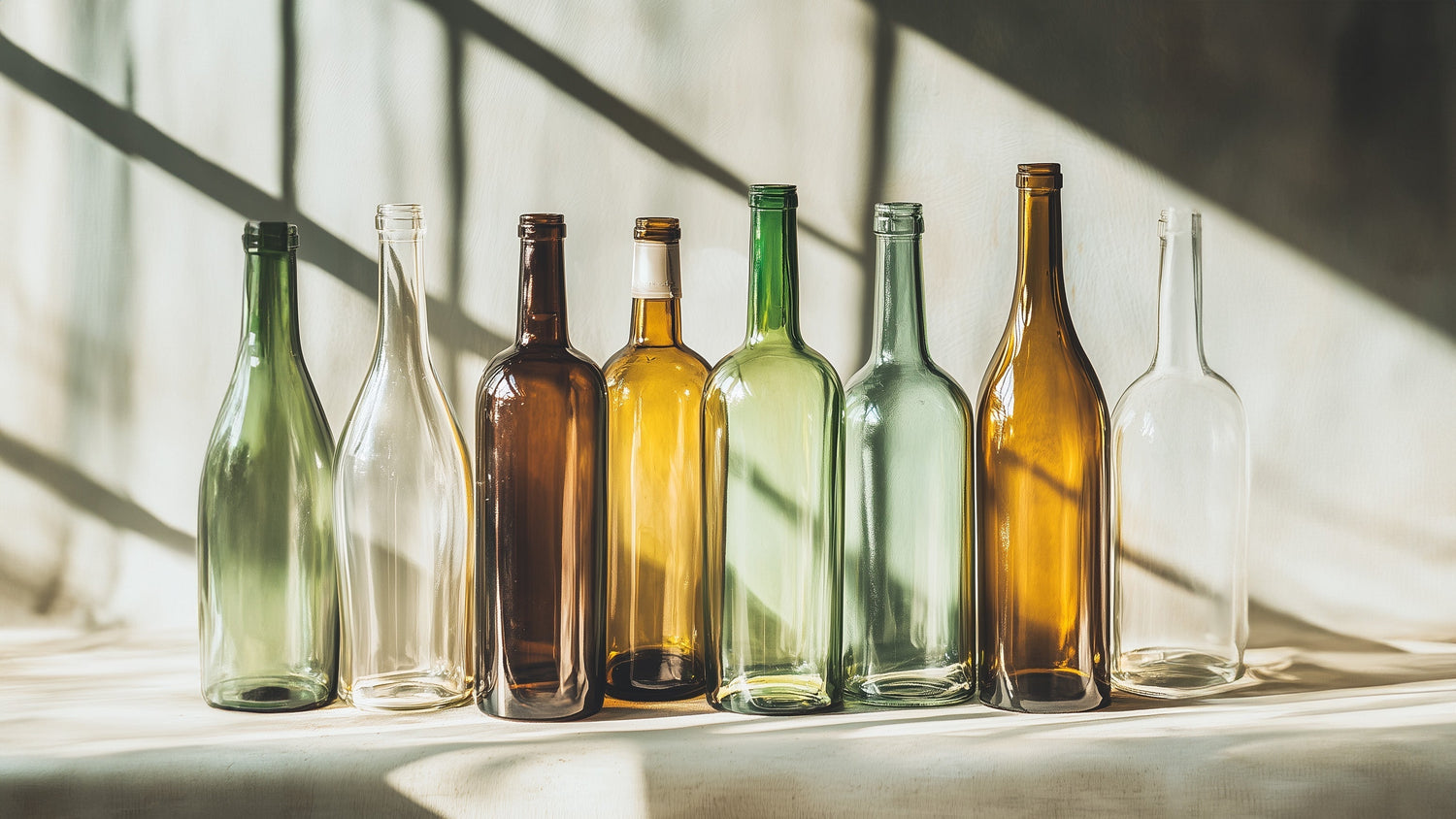
Innovative companies like Amarzo transform recycled glass into jewelry and decorative objects that, while not possessing the physical properties of mineral crystals, offer the same transparency and light play.
Glasses with floral decorations made from recycled glass combine stabilized natural elements (roses and Nordic lichen) with the crystalline beauty of artisanally worked glass.
Sets of colored glasses in recycled glass recall the vivid colors of natural crystals, offering an eco-sustainable way to bring crystalline beauty into daily life.
Italian Craftsmanship and Sustainability
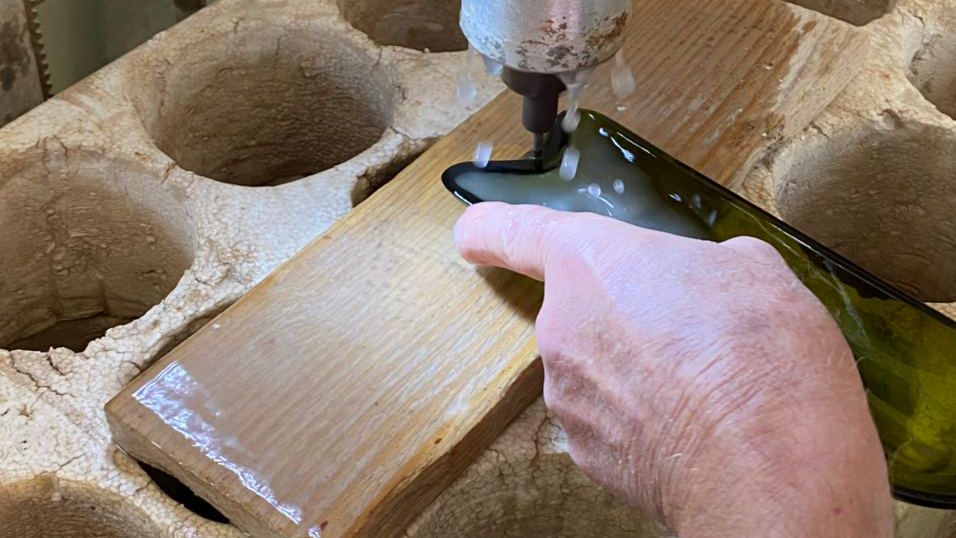
Italian artisanal craftsmanship in the glass sector represents a bridge between tradition and sustainable innovation. The use of diamond wheel and water for creating recycled glass objects eliminates harmful emissions to the environment.
Customization through engravings and specific workmanship allows creating unique pieces that recall the irreproducibility of natural crystals.

Conclusions: The Eternal Fascination of Crystals
Crystal types continue to fascinate for their incredible diversity and the unique properties that each variety possesses.
From scientific classification based on the seven crystal systems to modern applications in crystal therapy, these geological treasures represent a bridge between science and spirituality.
Understanding the differences between natural, synthetic, and artificial crystals allows conscious choices for both collectors and holistic wellness enthusiasts.
The natural formation of these minerals in the Earth's depths continues to amaze, while innovation in sustainable design offers new ways to appreciate crystalline beauty while respecting the environment.
All that remains is to deepen our knowledge of these fascinating crystals and discover which variety resonates most with our needs and sensibility. At this point, you have all the necessary information to begin your journey into the extraordinary world of crystal types.
If you're fascinated by the transparent beauty and luminous reflections typical of crystals, discover how artisanal recycled glass can add a touch of sustainable elegance to your home through design objects, eco-friendly jewelry, and decorative accessories made entirely in Italy with environmentally respectful techniques.

![Vassoio con Collo di Vetro Riciclato [Lav. Lucida]](http://amarzo.com/cdn/shop/products/vassoio-con-collo-125288.jpg?v=1699712421&width=550)