
Have you ever wondered how much impact your home décor choices have on the planet?
Today, sustainable home décor is no longer just a passing trend, but a real necessity for those who want to live in harmony with the environment without sacrificing style. When we talk about eco-sustainable design, in fact, we are not simply referring to the use of “green” materials, but to a holistic approach that rethinks the way living spaces are designed and experienced. A model that embraces the circular economy, promotes long-lasting solutions, and supports local craftsmanship.
Fundamental Principles of Green Home Décor
Eco-sustainable furnishing is based on three fundamental pillars that guide every conscious choice.
1) Reuse represents the first and most important strategy: giving new life to existing objects drastically reduces the need to produce new items and their related environmental impact. In fact, as you may already know, the most sustainable piece of furniture is often the one you already own.
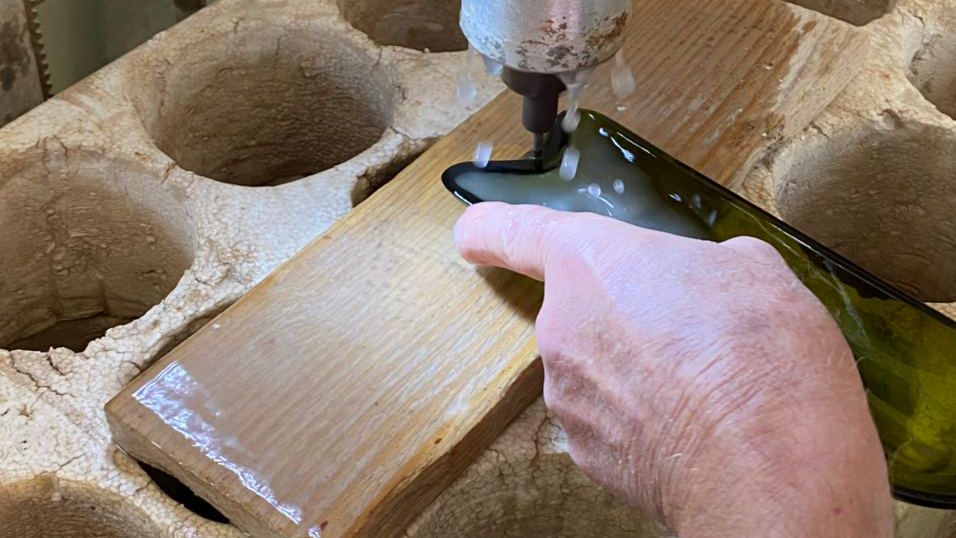
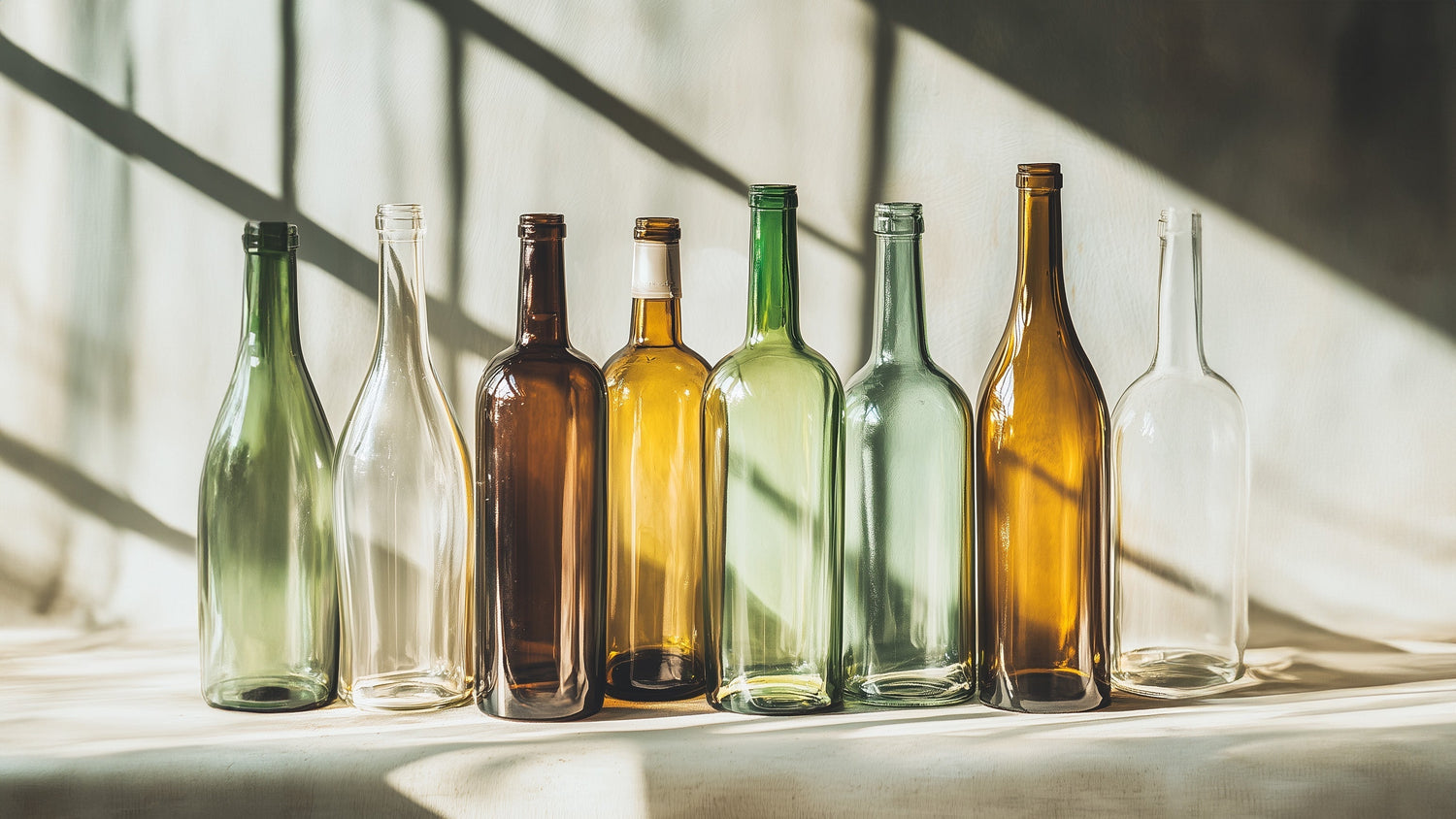
2) Recycling transforms materials destined for landfills into valuable resources for creating new home décor products. A virtuous example comes from Tuscan craftsmanship, where companies like Amarzo recover wine bottles that would otherwise be discarded and turn them into unique design objects.
3) The use of sustainable materials completes this virtuous triangle, focusing on selecting renewable, biodegradable resources or materials derived from low-impact production processes.

Eco-Friendly Materials: The Foundation of Sustainable Design
Certified Wood and Natural Alternatives
FSC certified wood represents the choice of excellence for those seeking durability and environmental responsibility. Sourced from sustainably managed forests, this material ensures that for every tree harvested, at least one new tree is planted.
Bamboo deserves a special mention: nicknamed "vegetable steel" for its extraordinary resistance, it grows rapidly without requiring pesticides or fertilizers. It can be used for flooring, furniture, and even as construction material, reaching maturity in just 3–4 years compared to the decades required by traditional trees. Not bad, right?
Cork, finally, offers exceptional insulating properties and is completely renewable. It is harvested from the bark of the cork oak without damaging the tree.
Biological and Natural Textile Fibers
Organic fabrics revolutionize home comfort without environmental compromises.
Linen stands out for resistance and durability, in addition to being highly breathable and thermoregulating, adapting perfectly to different seasons.
Organic cotton, grown without harmful chemical pesticides, guarantees softness and comfort ideal for sheets and towels.
Hemp is gaining popularity in the sustainable textile industry: it requires less water and pesticides than other textile crops, producing resistant, antibacterial, and naturally absorbent fabrics. Perfect for curtains and coverings that need to last over time.
Recycled Glass: Excellence of the Circular Economy
Recycled glass perhaps represents the most virtuous example of circular economy in home décor. Infinitely recyclable without quality loss, it allows unique creations that combine elegance and sustainability.
Glass bottles can transform into artistic lamps, decorative vases, or home accessories with unique charm. Every object made from recycled glass possesses intrinsic beauty and reflects light in suggestive ways, creating unique atmospheres in home environments.
You might wonder how these materials are processed? Cold grinding, a technique used by artisanal realities like those in Colle Val d'Elsa, allows cutting and shaping glass without CO2 emissions, using only water and diamond wheels.

Creative Solutions for Sustainable Decorating
Multifunctional Furniture: When Less is More
Multifunctional furniture perfectly embodies the philosophy of sustainable design. A sofa bed optimizes available space by transforming from a comfortable living area into a sleeping zone for guests.
A table with integrated storage space not only offers a surface for eating or working but allows maintaining order thanks to the ability to store objects inside. These pieces of furniture promote a minimalist lifestyle where the essential is privileged, reducing the accumulation of superfluous objects.
Creative Upcycling: The Art of Reuse
Upcycling transforms the concept of waste into creative resource. It starts with recovering old or damaged objects that are no longer used, giving them completely new life.
One of the most fascinating ideas is creating sofas using recovered wooden pallets. The procedure is surprisingly simple: just eliminate splinters by rubbing the pallet with sandpaper, repaint it according to your taste, and assemble the pieces to create the desired shape. Adding cushions in natural fabrics makes it comfortable and ready for use.
Materials change shapes and colors to become new kitchen accessories, small furniture, or lighting elements. In upcycled materials, creativity embraces eco-sustainability to give spaces unusual furnishing elements that stand out for originality.
Vintage Furniture: Character and Sustainability
Purchasing vintage furniture or second-hand pieces represents an excellent strategy for those who want to furnish uniquely and responsibly. Exploring flea markets offers a variety of options, allowing you to find unique pieces that tell a story.
Each vintage piece adds a touch of authenticity and originality to the home, often made with high-quality wood from sustainably managed forests. Beyond economic savings, purchasing used furniture contributes to promoting the circular economy, extending the useful life of objects.
Sustainable Lighting and Energy Efficiency
LEDs: The Home Lighting Revolution
LED lamps represent a revolution in sustainable home lighting. They consume significantly less energy than traditional bulbs to produce the same amount of light, drastically reducing overall energy consumption.
A traditional bulb lasts about 1,000 hours, while an LED can easily reach 25,000 hours or more. This means less frequent replacements and consequent reduction in generated waste.
To light your home elegantly, you could opt for lamps with lampshades in recycled glass, natural fabrics, or hand-worked metal. A fascinating example are "Lux" lamps made from recycled wine bottles, which emit warm and inviting light transforming room atmospheres.
Harnessing Natural Light
Natural light represents the most sustainable form of lighting available. Making the most of home exposure and sunlight significantly reduces the use of artificial lighting during daylight hours.
Adequate thermal insulation using natural materials like sheep wool, cork, or cellulose fiber contributes to energy efficiency, reducing heat dispersion and energy use for heating or cooling.

Indoor Plants: Naturally Purifying Air
Indoor plants not only decorate the home with style but significantly improve the quality of air we breathe. Species like pothos, ferns, and sansevieria are ideal for interiors, capable of absorbing harmful substances and releasing oxygen.
Pairing plants with artisanal ceramic pots, cork, or recycled materials creates natural décor that perfectly integrates aesthetics and functionality. Clearly, it's important to choose plants suitable for available light conditions in the home to ensure their survival.
Sustainable Table Accessories
Recycled Glass: Elegance and Responsibility
The table represents one of the places where sustainable home décor can express itself with greater creativity and elegance.
Colored recycled glass tumblers transform every meal into a unique experience. Made from wine bottles through cold grinding, they maintain the original glass quality while adding a touch of vibrancy to the table. Available in different shades - from bright green to ivory black, from pastel yellow to pure white - they adapt to any décor style.
Recycled glass pitchers perfectly complete the sustainable table service. Made by obliquely cutting wine bottles, they maintain an anti-drip spout design that combines functionality and aesthetics. Available in standard format (0.75L) and magnum (1.5L), they adapt to different needs.
Don't forget coffee cups in recycled glass, created by Tuscan master glassmakers with particular attention to detail. Heat and stain resistant, dishwasher safe, they represent the perfect balance between practicality and sustainability for coffee lovers.
Multifunctional Trays and Creative Accessories
Recycled glass trays offer extraordinary versatility of use. Made from longitudinal cutting of bottles, they come in four varieties: Barbera with neck, half neck, sparkling with neck, and Barbera without neck. They can serve dishes, function as decorative elements, or transform into elegant catch-alls.
Specialized accessories like finger food spoons, made from bottle necks, add originality to appetizers. Artisanal cutlery rests, customizable with laser engraving, demonstrate how even the smallest details can contribute to conscious décor.

Organic Textiles for Sustainable Comfort
Organic fabrics transform home comfort without environmental compromises.
Curtains, rugs, cushions, and bedspreads in linen or certified cotton bring warmth to the home in a completely sustainable way. You can choose neutral colors for a minimal style or play with textures and patterns to add personality to environments.
Linen, in particular, offers exceptional resistance and durability, in addition to being highly breathable and thermoregulating. Hemp produces antibacterial and naturally absorbent fabrics, perfect for coverings that need to last over time.
Sustainable Atmosphere with Natural Candles
Eco-sustainable candles represent a refined way to create atmosphere while respecting the environment. Made with natural soy, palm, and coconut waxes, they offer cleaner and safer combustion than traditional paraffin candles.
Candles in recycled glass containers from wine bottles unite sustainability and elegance. Available in different natural fragrances like violet, they burn up to 30 hours maintaining lasting and pleasant scent. They don't release harmful substances like benzene and toluene, helping to keep home air healthier.

Ecological Flooring and Natural Insulation
Renewable Material Flooring
Flooring represents one of the most impactful choices in sustainable home décor.
Bamboo offers a particularly interesting solution: being a renewable resource that grows rapidly, it can be harvested without damaging the surrounding ecosystem. Bamboo floors are extremely durable and wear-resistant, guaranteeing long-term durability.
Cork is extracted from cork oak bark without damaging the tree, making it a perfectly sustainable choice. It's an elastic, resistant, and highly insulating material, with acoustic properties that reduce footstep noise.
Linoleum, made with natural materials like linseed oil, wood flour, and natural pigments, is completely biodegradable and requires less energy for production than traditional flooring.
Natural Thermal Insulation
Adequate natural thermal insulation is fundamental for maintaining home comfort while reducing energy consumption.
Sheep wool offers excellent insulating properties thanks to its natural fiber structure that traps air inside. Biodegradable and renewable, it requires less energy for production than synthetic materials.
Cellulose fiber, obtained from recycled materials like newspapers and cardboard, represents a sustainable alternative for thermal insulation, reducing the environmental impact of paper waste.
Artisanal Tradition and Sustainable Innovation
The Colle Val d'Elsa Model
Colle Val d'Elsa, nicknamed "Italy's Bohemia" or "City of Crystal," produces 95% of Italian crystal and 14% of world crystal. This millennial tradition demonstrates how local craftsmanship can perfectly marry sustainable innovation.
In the heart of this medieval Tuscan town, artisanal workshops like Amarzo recover and recycle glass bottles destined for disposal, creating original and ecological objects through zero-impact processes. With 8 billion bottles thrown away annually in recycling collection, the recovery potential is enormous.
The Sustainable Grinding Process
Cold grinding represents a revolution in recycled glass processing. Using exclusively water and diamond wheels, this process produces no CO2 emissions, sterilizing and cutting bottles to create unique artisanal objects.
Each piece maintains the original glass quality, often superior to industrial products, demonstrating how sustainability and quality excellence can coexist perfectly.
Sustainable Decorative Elements
Functional Art Objects
The Fenestra represents a perfect example of how a decorative object can embody sustainability principles. This sectioned bottle, available in three formats (classic 0.75L, magnum 1.5L, jéroboam 3L), transforms "emptiness" into an aesthetic element.
Made through six processing steps, the Fenestra symbolizes the bridge between artisanal tradition and the future of Made in Italy, demonstrating that sustainability can also be deeply evocative.
Home Organization Accessories
Recycled glass catch-alls demonstrate how functionality can marry sustainable aesthetics.  Made from longitudinal cutting of bottles, with flattened base to ensure stability, they add a touch of modern class to the home entrance.
Recycled glass pen holders transform the home office into a more conscious space, while toothpick holders add refinement even to the smallest table details.
Maintenance and Repair: Philosophy of the Durable
A fundamental practice in sustainable home décor consists of maintaining and repairing existing furniture and objects rather than replacing them prematurely.
Often a simple repair intervention can restore new life to worn furniture, avoiding disposal and reducing waste. Beyond reducing environmental impact, this practice translates into significant long-term economic savings.
Numerous resources and online tutorials exist that teach basic repair techniques, allowing you to become more autonomous and creative in caring for your furnishings. Repairing and maintaining objects not only demonstrates commitment to sustainability but values artisanal work and the history that each piece of furniture contains.
Creating Perfect Sustainable Home Décor
As you've been able to observe, decorating sustainably means being able to choose from a multiplicity of solutions that respect both the environment and your personal needs.
The secret consists in identifying those options that best match your tastes and requirements, building "custom" eco-sustainable furnishing. It's not about giving up style, but rethinking the very concept of beauty to include environmental responsibility.
All clear so far?
At this point, you have all the tools to transform your home into an environment that reflects your values without aesthetic compromises. Whether you choose multifunctional furniture in recovered wood, recycled glass lamps, or natural fiber textiles, every decision contributes to building a more sustainable future.
All that's left is to start this transformation journey: which element of your home would you like to make more sustainable first?

![Vassoio con Collo di Vetro Riciclato [Lav. Lucida]](http://amarzo.com/cdn/shop/products/vassoio-con-collo-125288.jpg?v=1699712421&width=550)